
Introduction
Endodontics is a specialized field of dentistry focused on diagnosing and treating problems affecting the dental pulp and tissues surrounding the roots of teeth. The primary goal of endodontic treatment is to save natural teeth that might otherwise require extraction, helping patients maintain healthy smiles and proper oral function.
What is Endodontics?
The dental pulp is the soft tissue located inside a tooth that contains nerves, blood vessels, and connective tissues. When this pulp becomes infected or inflamed due to deep decay, trauma, cracks, or repeated dental procedures, endodontic treatment may be necessary to preserve the tooth.
Endodontists are dental specialists trained to perform advanced procedures involving the tooth’s internal structures, including root canal therapy and endodontic surgery.
Common Conditions Treated by Endodontists
Infected Dental Pulp
Bacterial infection within the pulp can cause severe pain, sensitivity, and swelling. Timely treatment helps eliminate infection and save the tooth.
Deep Tooth Decay
When decay extends into the pulp chamber, root canal treatment may be required to prevent tooth loss.
Cracked or Fractured Teeth
Cracks can allow bacteria to enter the pulp, leading to infection and discomfort.
Dental Trauma
Accidents and injuries can damage the tooth’s nerve, even when no visible fracture is present.
Persistent Tooth Pain
Unexplained tooth pain, prolonged sensitivity, or discomfort while chewing may indicate underlying pulp problems.
Root Canal Treatment: The Most Common Endodontic Procedure
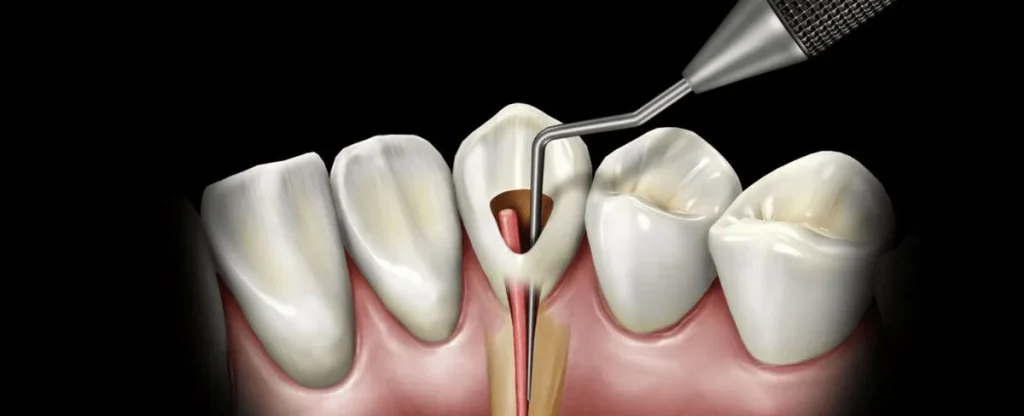
Root canal therapy is designed to remove infected or damaged pulp tissue while preserving the natural tooth structure.
The Procedure Typically Involves:
- Careful examination and diagnosis.
- Administration of local anesthesia for patient comfort.
- Removal of infected or inflamed pulp tissue.
- Cleaning and disinfecting the root canals.
- Filling and sealing the canals.
- Restoring the tooth with a filling or crown when necessary.
Modern root canal treatment is safe, effective, and often no more uncomfortable than receiving a routine filling.
Benefits of Endodontic Treatment
- Preserves natural teeth
- Relieves tooth pain and sensitivity
- Eliminates infection
- Prevents tooth extraction
- Restores normal chewing function
- Maintains natural smile aesthetics
- Supports long-term oral health
Signs You May Need Endodontic Care
Seek professional evaluation if you experience:
- Severe or persistent tooth pain
- Prolonged sensitivity to hot or cold temperatures
- Pain while chewing or biting
- Swollen or tender gums
- Tooth discoloration
- Facial swelling near a tooth
- Recurring dental abscesses
Early diagnosis can often prevent more serious complications.
Recovery After Root Canal Treatment
Most patients return to their normal routine within a day or two following treatment. To support healing:
- Follow your dentist’s instructions carefully.
- Take prescribed medications if needed.
- Avoid chewing hard foods on the treated tooth until fully restored.
- Maintain good oral hygiene habits.
- Attend all follow-up appointments.
Why Saving Natural Teeth Matters
Whenever possible, preserving a natural tooth is the best option for maintaining proper bite alignment, chewing efficiency, and overall oral health. Endodontic treatment allows patients to keep their natural teeth for many years while avoiding more complex tooth replacement procedures.
Conclusion
Endodontics plays a crucial role in preserving natural teeth and relieving dental pain caused by infection or injury. Through advanced techniques such as root canal therapy, endodontic specialists can restore comfort, function, and oral health while helping patients avoid tooth loss.
If you’re experiencing tooth pain or sensitivity, schedule an evaluation today to determine whether endodontic treatment can help save your natural smile.